As we age, our skin loses elasticity, facial volume decreases and repetitive muscle movement (such as frowning), causes wrinkles, and our facial fat pads move forward and down.
Dermal fillers are injectable gel-like substances used to restore volume, smooth wrinkles, and enhance facial contours without surgery. They are commonly referred to as soft tissue fillers, wrinkle fillers, or facial fillers. These treatments are popular for addressing signs of aging, such as facial volume loss, nasolabial folds, marionette lines, and hollow areas under the eyes. They can also be used to plump lips, define the jawline, augment the cheeks or chin, and rejuvenate the hands.
The most widely used dermal fillers are made from hyaluronic acid (HA), a naturally occurring substance in the skin that binds water to maintain hydration and fullness. HA fillers provide immediate, natural-looking results and are effective for treating fine lines, deep wrinkles, and restoring volume in areas like the cheeks and lips.
Immediate Results: Dermal fillers provide visible improvements almost instantly, with full results typically seen within a few days to two weeks after treatment.
Minimal Downtime: The procedure requires little to no recovery time, allowing individuals to return to normal activities, including work, shortly after the session.
Non-Surgical and Minimally Invasive: Dermal fillers offer a non-surgical alternative to procedures like facelifts, involving only injections without incisions or sutures.
Natural-Looking Enhancements: Results are subtle and enhance natural features, giving a refreshed and youthful appearance without an overdone look.
Volume Restoration: They effectively restore lost facial volume, particularly in areas like the cheeks, temples, and under-eye hollows, counteracting age-related sagging and hollowing.
Wrinkle and Fine Line Reduction: By plumping up the skin from beneath, dermal fillers smooth out wrinkles and fine lines, especially around the mouth, eyes, and forehead.
Facial Contouring and Sculpting: Fillers can reshape and define facial features such as the jawline, chin, and cheekbones, improving symmetry and overall facial harmony.
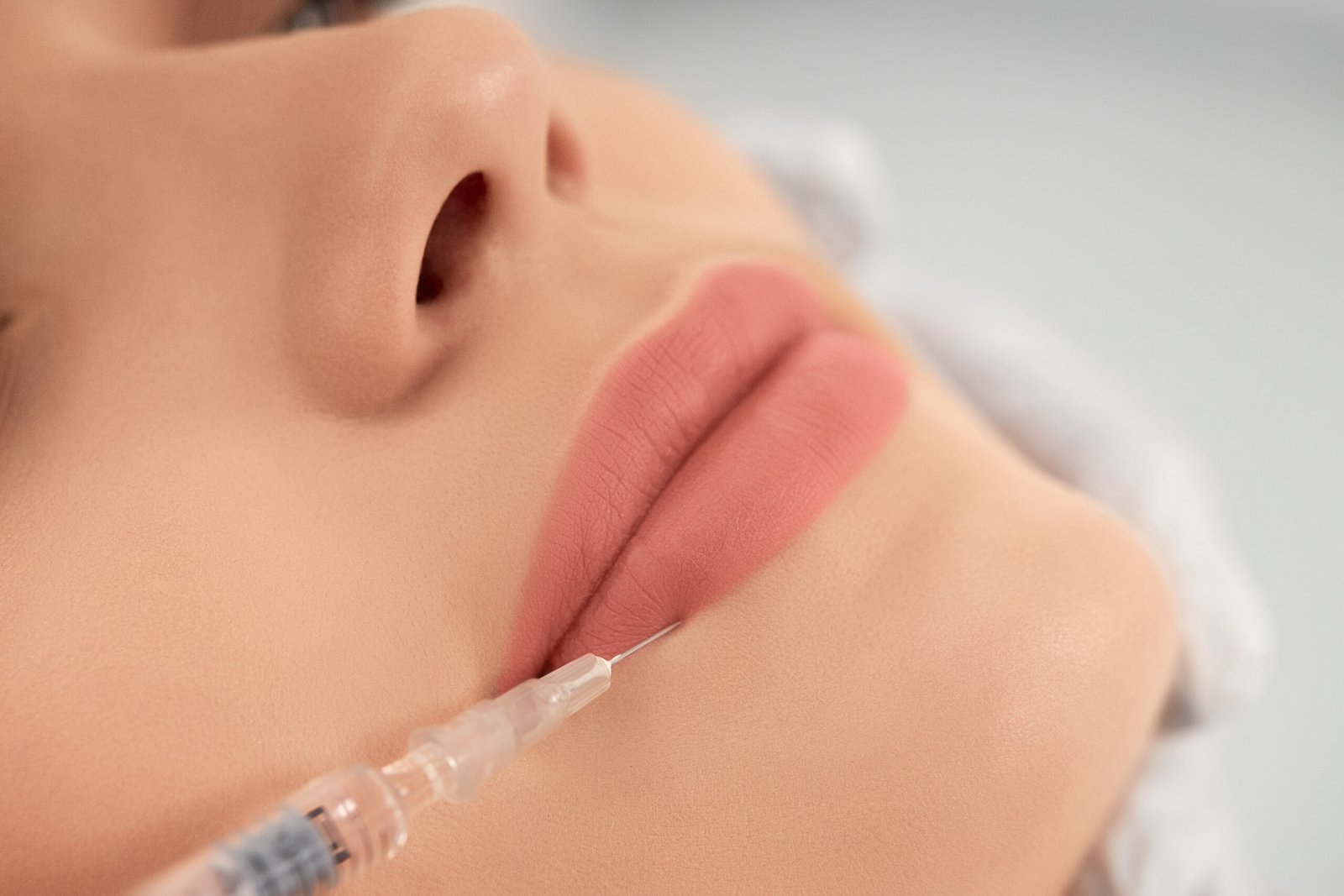
Lip Augmentation: They can plump thin lips, improve lip definition, and correct asymmetry or downturned mouth corners for a more natural-looking smile.
Scar Correction: Dermal fillers can minimize the appearance of depressed scars, such as those from acne or surgery, by filling in areas to create a smoother texture.
Stimulation of Collagen and Elastin Production: Hyaluronic acid-based fillers can encourage the skin to produce more collagen and elastin, leading to improved skin quality and long-term firmness.
Boost in Confidence and Mood: Many individuals report increased self-confidence and improved emotional well-being due to a more youthful and refreshed appearance.
Reversible and Adjustable: Most dermal fillers are temporary and can be dissolved if needed, allowing for adjustments or reversal of results if desired.
Customizable Treatment: The treatment can be tailored to individual goals, whether seeking subtle improvements or more pronounced changes.
Low Risk of Severe Side Effects: While minor side effects like bruising, swelling, or redness may occur, they are typically mild and resolve within a few days.
NASOLABIAL FOLDS – the lines that go from the nose to the corner of the mouth
MARIONETTE LINES – the lines from the corner of the mouth to the jawline
PERIORAL LINES – fine lines along the lip lines, often referred to as ‘smokers’ lines
FROWN LINES – often treated with wrinkle-relaxing treatments such as Botox, but stubborn frown lines can improve with a soft dermal filler
CHEEKS – replenishing volume loss caused by reduced collagen production
CHIN – redefining or correcting unevenness
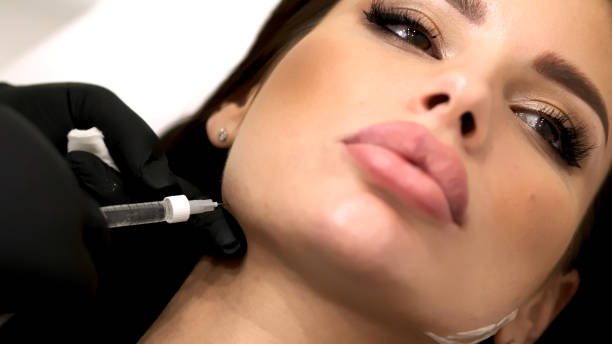
JAW LINES – redefining the contours of the jaw area
LIPS – enhancing volume and definition
EYE AREA / TEAR TROUGH – reducing hollows and eye bags
TEMPLES – to restore volume
NOSE- to refine any nose bumps and lift the tip
Usually 1, It depends on the treatment area & your goals. Lip Fillers may take more than 1 treatment to gently build small thin lips to desired outcome
Up to 30 minutes to an hour depending on if anaesthetic is used
Avoid blood-thinning medications (aspirin, ibuprofen, nsaid’s) and supplements (St. John’s Wort fish oil, vitamin E, ginkgo biloba, primrose oil, garlic tablets) for 5–7 days before treatment, unless medically prescribed.
Avoid alcohol for 24–48 hours before your appointment, as it increases the risk of bruising.
Stay well hydrated in the days leading up to your treatment.
Avoid active skincare products (retinoids, acids, benzoyl peroxide) for 24 hours prior.
Do not schedule dental work (cleanings, fillings, whitening, etc.) within 2 weeks before or after filler.
Avoid major events for 2 weeks post-treatment to allow swelling or bruising to settle
Pre-medicate with antiviral for cold sores (7 days prior) if getting Lip Filler
Avoid waxing, bleaching, tweezing, or using hair removal cream on the area to be treated
Do start taking Arnica tablets two days prior to the procedure.
Avoid intense heat, Sun/bed, sauna/steam room & Jacuzzi prior to appt
Avoid strenuous exercise prior to appt
You may consume pineapple prior to prevent bruising
Avoid smoking prior to appt
Inform your practitioner of all medications, allergies, illnesses, recent vaccines, or any previous cosmetic procedures.
Arrive with clean skin, free of makeup or heavy skincare products.
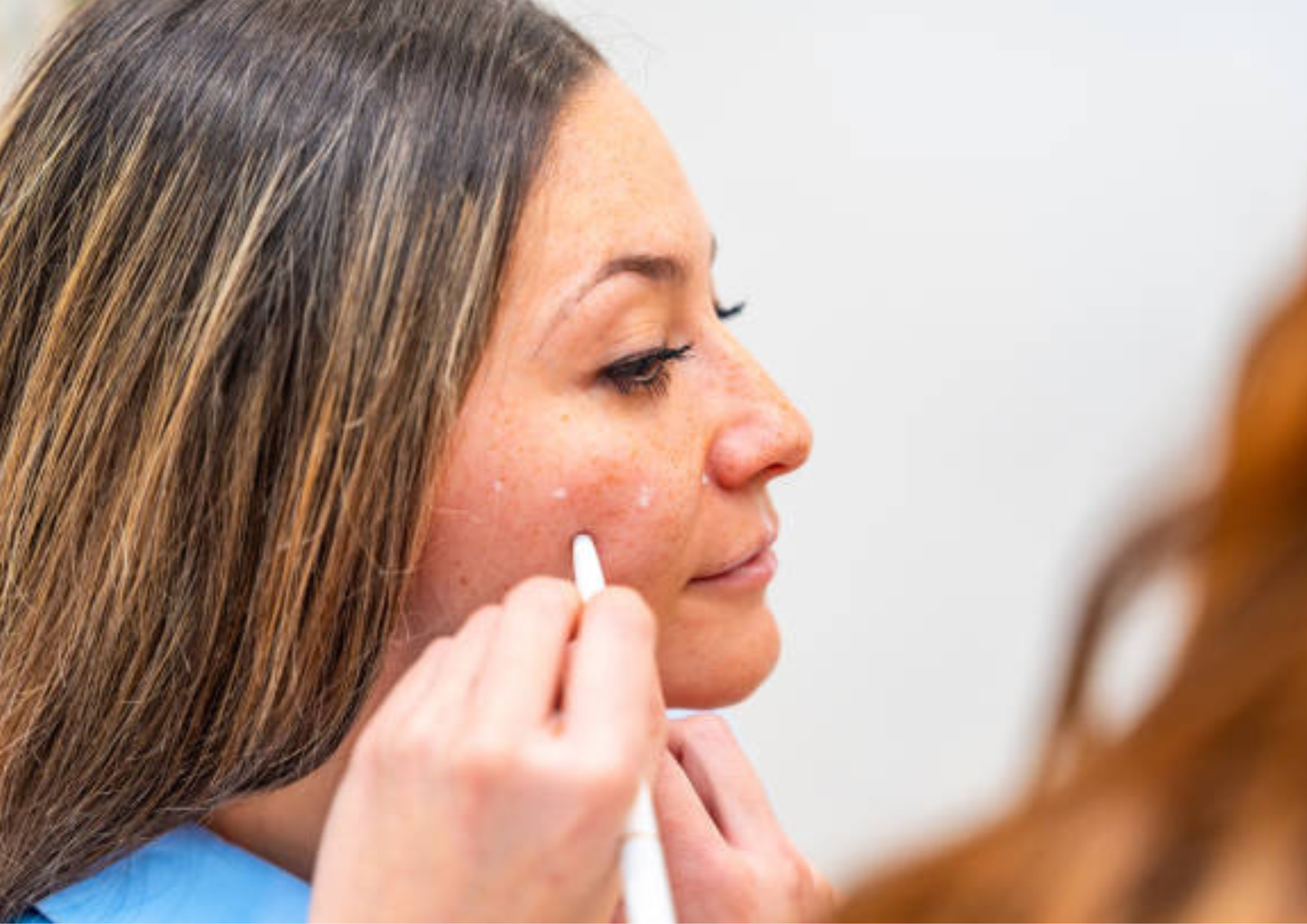
Before the treatment, we start your appointment with a consultation to assess your areas of concern. We look at the symmetry of the face and natural contours. We pick out the areas where natural enhancement is needed. The area will then be prepared to carry out the injections. We may use a numbing cream if necessary, but the needle is very fine and most people find it mostly painless.
Minimal
Numbing cream (optional)
Minimal – getting back to normal varies slightly depending upon area treated, generally very quickly
Avoid touching or massaging the treated area for 24–48 hours, unless instructed by your practitioner.
Do not apply makeup for at least 12 hours post-treatment.
Avoid alcohol, vigorous exercise, saunas, hot baths, or steam rooms for 24–48 hours.
Cold compresses may be applied to reduce swelling or bruising, but avoid excessive pressure.
Stay hydrated to support skin recovery.
Avoid direct sun exposure and tanning beds for 1–2 weeks; use broad-spectrum SPF daily.
Avoid dental work or facial treatments for 2 weeks unless cleared by your provider.
Bruising, swelling, redness, or mild tenderness is normal and typically resolves within a few days.
Use ice pack in clean light towel to area for any swelling
You may apply Arnica gel topically or take Arnica tablets
Avoid smoking post procedure
Avoid air travel for 2 weeks after procedure
Immediately report severe, increasing pain, blanching in treated area, blotchiness away from treated area, blistering or fever and chills
Seek medical advice if you experience severe pain, prolonged swelling, asymmetry, lumps, or signs of infection
Follow-up appointment: Attend any scheduled review to assess results and discuss touch-ups if necessary
Improvements are seen immediately. However, results will continue to improve over 2 weeks as the hyaluronic acid starts to bind moisture and plumps out skin folds. Depending on product choice, the treatment can last 6-18 months.
We only use products that are licensed and have been researched for many years. The fillers are all biodegradable products, which means that they are very low risk.
They do not have long-term side effects associated with other permanent fillers. Side effects are rare but the general risks can include bruising, tenderness, or swelling. We will explain in detail any possible risks or side effects, before the treatment.
Pregnancy or breastfeeding
Active skin infection, inflammation, acne flare, or cold sores in the treatment area
Allergy or hypersensitivity to hyaluronic acid, lidocaine (if included), or any component of the filler
Autoimmune disorders or immunosuppressive therapy that may impair healing
Active cancer or clients undergoing chemotherapy or radiation
Bleeding disorders or use of anticoagulant medications that cannot be paused
Uncontrolled diabetes
Severe skin disease (eczema, psoriasis, dermatitis flare) in the area to be treated
History of keloid or hypertrophic scarring (relative contraindication)
Previous adverse reactions to dermal fillers
Unrealistic expectations or untreated psychological conditions that may affect satisfaction
You must be at least 18 years old to have any skin injectable treatments, even if you have the permission of someone that is over 18.