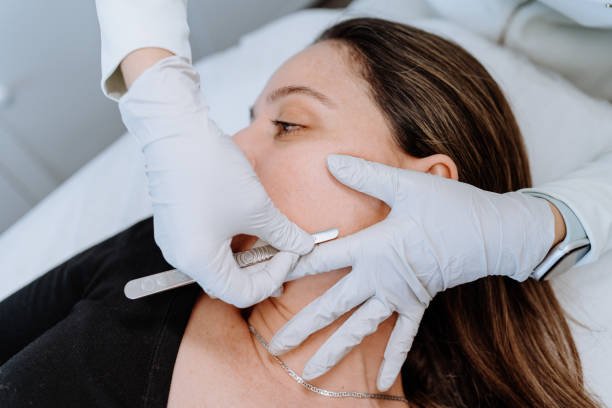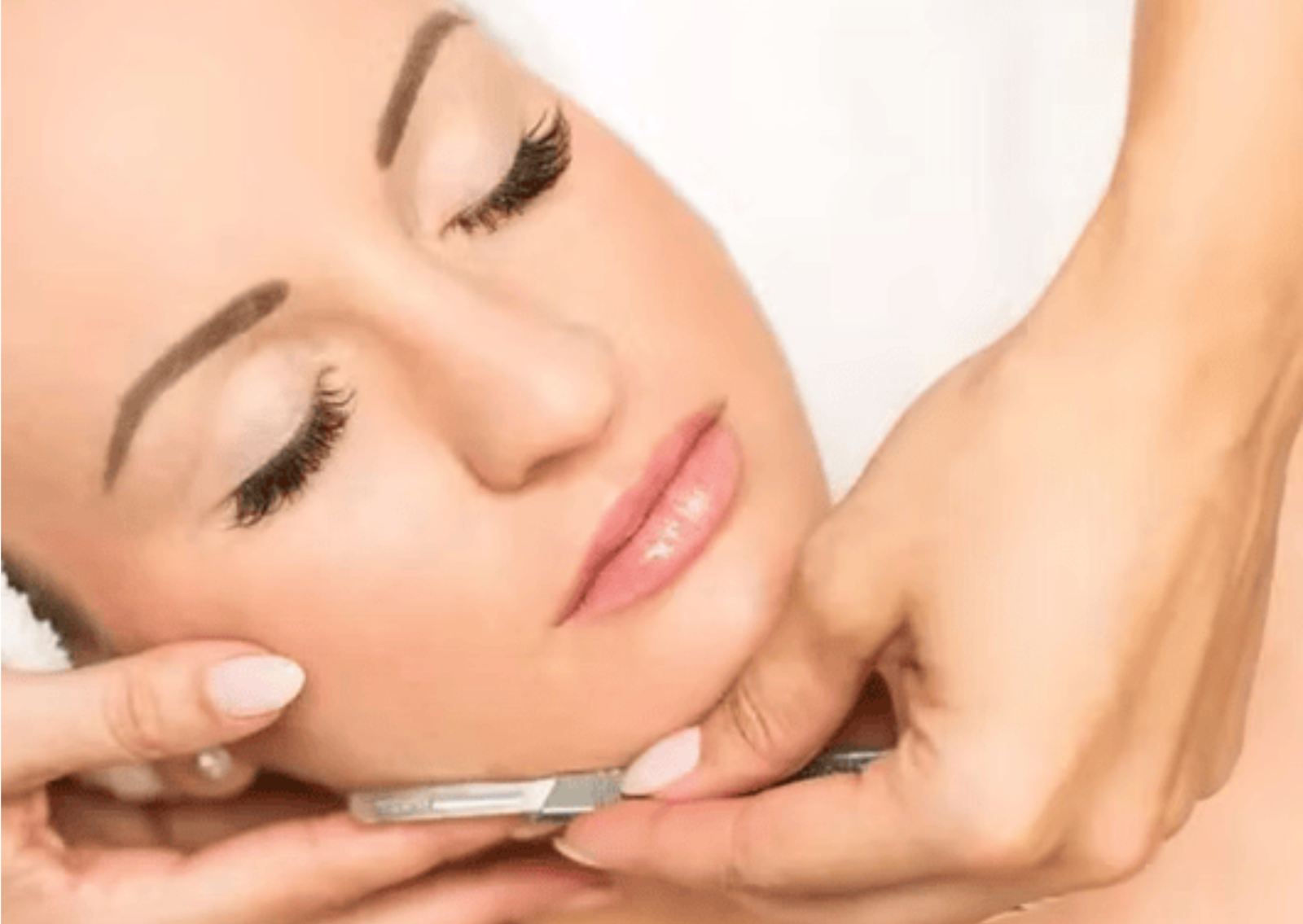
Dermaplaning is a gentle yet highly effective exfoliation treatment that removes dead skin cells and fine vellus hair (“peach fuzz”) from the surface of the skin using a specialized surgical blade. This non-invasive procedure instantly smooths the complexion, enhances radiance, and allows skincare products and makeup to apply more evenly. It is suitable for most skin types and offers immediate, noticeable results with no downtime.
The treatment is typically performed every 4–6 weeks as part of a regular skin maintenance routine. It can be offered as a standalone treatment or combined with facials, skin boosters, or light chemical peels for enhanced results.
Dermaplaning offers an immediate glow and silky-smooth texture, making it a perfect treatment for both regular skin maintenance and event-ready radiance.
Removes dead skin cells and build-up
Eliminates fine vellus hair for a smoother finish
Instantly brightens and evens the complexion
Softens the appearance of fine lines and mild texture
Improves product absorption and treatment efficacy
Creates a flawless canvas for makeup
Safe for most skin types, including sensitive skin
Full Face
Jawline
Chin
Upper Lip
Neck
Recommended every 4-6 weeks
Discontinue products containing exfoliating agents (Retinoic acid, Retinol, benzoyl peroxide, glycolic acid, salicylic acid, and astringents 24-48 hours prior to treatment
Eat a meal or light snack prior to treatment.
Avoid bleaching, waxing, tweezing, or using depilatory creams in the treatment area
Don’t drink alcohol for 24 hours prior to treatment
If you have a history of cold sores a course of antiviral medication before and after treatment is recommended
Avoid makeup, creams, gels, or lotions on treatment areas the day of treatment
Approximately 30-45 minutes
Before the treatment, we start your appointment with a consultation to assess your areas of concern.
The treatment is comfortable and relaxing.
You may feel a light scraping sensation as the blade glides across the skin.
No Discomfort
None Needed
Skin may appear slightly pink afterward, which settles quickly.
Improvements are seen immediately.
It is normal for the skin to feel red and inflamed for the first 24 hours
Resume normal skincare routine after 24 hours
Use a mild cleanser and a gentle moisturiser with tepid water
Pat skin dry do not excessively rub
No makeup for 24 hours
Avoid saunas, steam rooms, sunbeds, or chlorine pools for 72 hours
Do not over touch the area/ do not pick or scratch
If any irritation occurs after treatment, wait a couple of days to apply products
After treatment SPF 30+ must be worn at all times (minimum of 7 days post procedure)
SPF 30+ must be worn at all times for 1 week after procedure
Common, mild effects: Temporary redness or slight sensitivity.
Less common: Light flaking or dryness in the days following treatment.
Rare risks: Small nicks, irritation, or breakout if performed on active acne.
Dermaplaning does not cause hair to grow back thicker or darker.
This treatment is not suitable for those that have a sensitivity or allergy to Nickel
Active skin infection (bacterial, viral, or fungal) in the treatment area
Allergy to Nickel
Severe acne, cystic acne, or inflamed lesions
Active cold sores flare-ups
Eczema, psoriasis, or dermatitis in the area to be treated
Open wounds, cuts, or abrasions
Recent chemical peel, laser, or microdermabrasion where the skin is not fully healed
Severe sunburn or irritation
Blood-thinning medications or conditions that increase bleeding risk (relative contraindication—consult your practitioner)