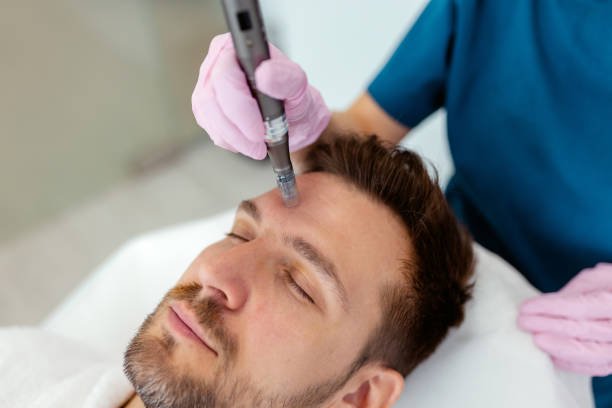
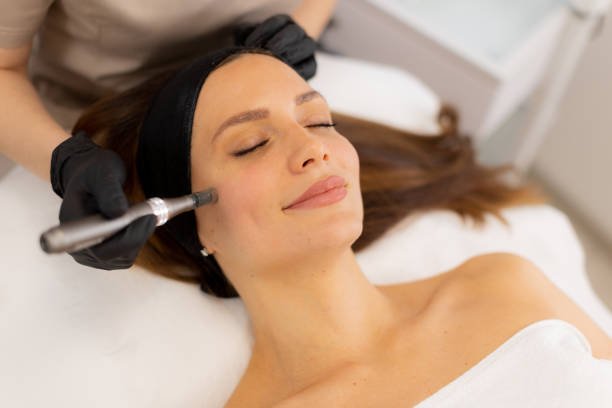
Microneedling offers a sophisticated blend of science and skin renewal—delivering smoother, firmer, and more luminous skin through a luxurious, minimally invasive experience.

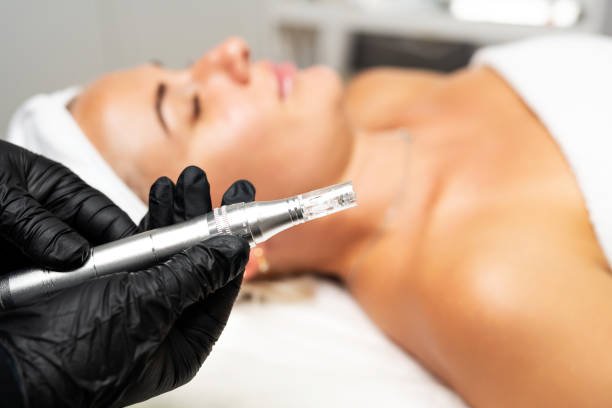
Microneedling also known as, Collagen Induction Therapy, is a refined, results-driven skin rejuvenation treatment designed to stimulate the skin’s natural healing response and dramatically enhance collagen production—by up to 400%. Using a precise, medical-grade device, microscopic channels are created in the skin, activating deep regenerative processes that improve texture, tone, and firmness.
This treatment is ideal for clients seeking a luxurious yet clinically effective approach to smoother, brighter, and more youthful-looking skin. Over time, microneedling softens fine lines, refines pores, diminishes scarring, and restores a radiant, revitalized complexion.
Collagen and elastin give your skin its structure and strength, so their regrowth is essential for creating firmer, younger-looking skin. The result is a visibly smoother, brighter and more youthful complexion.
Microneedling offers a sophisticated blend of science and skin renewal—delivering smoother, firmer, and more luminous skin through a luxurious, minimally invasive experience.
Boosts collagen and elastin production by up to 400%
Improves fine lines, texture irregularities, and dullness
Refines pores and smooths uneven tone
Reduces acne scarring and pigmentation
Enhances product absorption
Leaves the skin firmer, brighter, and more resilient
Suitable for most skin types
You can have a single treatment but best results are achieved with a course of 3-6 treatments 4-6 weeks apart.
60 minutes
To ensure safe treatment and optimal results, follow these guidelines before your microneedling session:
Avoid alcohol 24 hours prior
Avoid Sun Exposure: Minimise direct sun exposure and tanning for 1–2 weeks prior; use broad-spectrum SPF daily.
Discontinue Certain Skincare Products: Stop retinoids, strong acids (AHA/BHA), exfoliants, or active treatments 3–5 days before your appointment. Wait six months following isotretinoin use. (Accutane)
Avoid Blood-Thinning Medications: If medically safe, avoid aspirin, ibuprofen, or supplements like fish oil, herbal supplements, such as Garlic, Turmeric, Vitamin E, Ginkgo Biloba, St. John’s Wort, and Omega-3 capsules) for 2–3 days prior to reduce bruising.
Do Not Wax or Thread: Avoid waxing, threading, or other aggressive hair removal methods in the treatment area for at least 48 hours prior.
Stay Hydrated: Drink plenty of water and maintain good skin hydration.
Avoid Certain Procedures: Postpone microneedling if you have had recent laser resurfacing, IPL, chemical peels, or have active breakouts or open lesions. Wait 2 weeks after Dermal filler, Botox.
Arrive with Clean Skin: Ensure the skin is free of makeup, oils, and heavy skincare products on the day of treatment.
Disclose Medical History: Inform your practitioner about medications, allergies, active infections, or medical conditions that may affect healing.
Before the treatment, we start your appointment with a consultation to assess your areas of concern.
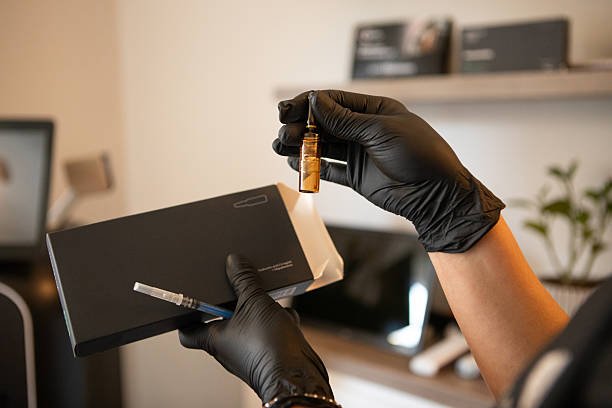
Skin is then prepped for Micro-needling, and specific serums are chosen for your skin type and concerns.
Minimal
Numbing cream (optional)
Slight redness after treatment, lasting a couple of hours. You may experience a little dryness for a couple of days afterwards, but this is usually very minimal.
Skin may feel tight and sensitive post-treatment, similar to a mild sunburn.
The treated area of skin may feel slightly tender and appear red and swollen afterwards.
You may occasionally experience skin peeling. These effects will resolve naturally and should be much improved after 48 hours but may take longer to settle.
You may experience some minor bruising which may take 1-2 weeks to resolve in some cases.
Leave serums and cream from procedure on face for the rest of the day/night.
Use a mild cleanser with tepid water to clean your face for 3 days after the treatment and gently pat dry the treated area.
Keep your hands clean when touching your face, and avoid rubbing or picking.
Avoid any perfumes, fake tan or other harsh chemicals for 72 hours after treatment.
It is important to use a regular moisturising cream around two to three times a day on the treated area Use more regularly if you feel the skin dry or peeling.
Avoid strenuous exercise, pools, saunas, sunbeds and exposure to heat for 72 hours after treatment. These can cause sweating which can irritate the delicate skin and slow down your ability to heal quickly.
Avoid makeup for 24 hours as this can increase the risk of infection.
Clients must be very cautious about what is applied as skin can react to ingredients in outside skincare products that can lead to irritation, granulomas, and infection.
Do not resume active ingredient retinols, glycolic acids, Alpha-hydroxy acids etc for a minimum of 7 days post procedure.
Avoid direct sun exposure and excessive heat. Skin is now freshly resurfaced and prone to sun damage.
Avoid Ibuprofen for the next 24 hrs.
Wear at least an SPF 30+ daily starting following day. Must use All natural mineral SPF 30+ to ensure no adverse reaction.
Sleep on clean pillowcases – acne patients avoid use of fabric softener as it leaves a waxy residue on fabric.
Don’t participate in aerobic exercise for 72 hours.
As we are stimulating natural production of new collagen and elastin, results are seen at around 4-6 weeks and the duration of results depends on severity of problem and number of treatments
Microneedling can be done on the face, neck, décolletage, hands, and on stretchmarks
Microneedling is generally safe for most clients, but treatment should not be performed in the following situations:
Microneedling is not recommended for pregnant or breastfeeding clients.
Active skin infections (bacterial, viral, or fungal) in the treatment area
Acne flare-ups or cystic acne that are inflamed
Eczema, psoriasis, or dermatitis in the treatment area during a flare
Open wounds, cuts, or abrasions
Keloid or hypertrophic scarring tendencies (relative contraindication)
Recent facial procedures (chemical peels, laser resurfacing, dermabrasion) that have not fully healed
Use of blood-thinning medications or bleeding disorders (unless medically cleared)
Pregnancy or breastfeeding
Active cold sores or herpes simplex virus (may require antiviral prophylaxis)
Autoimmune or immune-compromised conditions that affect healing
Uncontrolled diabetes or systemic illness that may impair skin recovery
A thorough consultation is essential to ensure safety, suitability, and optimal results.