Vitamin D
High-dose injections support immune function, bone health by aiding calcium absorption, and mood regulation, especially for those with diagnosed low levels.

Intramuscular Vitamin Injections
While a balanced diet is essential, it can be challenging to obtain all the vitamins and nutrients your body needs from food alone. Factors such as modern farming practices, soil depletion, busy lifestyles, dietary restrictions, and increased physiological demands can lead to gaps in nutrient intake. Intramuscular vitamin injections offer a targeted, highly absorbable way to ensure your body receives the essential vitamins it needs for energy, immunity, and overall wellness.
Intramuscular (IM) vitamin injections deliver essential nutrients directly into the muscle, allowing them to enter the bloodstream with exceptional bioavailability. Unlike oral supplements—which must pass through the digestive system and may lose 80-90% of their potency during absorption—IM injections offer near-immediate uptake, ensuring your body receives the full, therapeutic benefit of each vitamin.
This method is ideal for individuals seeking efficient, targeted nourishment, enhanced wellness support, and consistent results. IM vitamin injections provide a quick, comfortable treatment with no downtime, making them a convenient addition to elevate any modern wellness routine.
Intra-Muscular Vitamin Therapy can boost the immune system, making it more effective at fighting off infections and illnesses.
By providing essential nutrients directly to the body, IM Vitamin therapy can help reduce fatigue and increase energy levels.
Some studies suggest that IM vitamin therapy can help alleviate symptoms of depression and anxiety by providing nutrients vital for brain function.
IM therapy can accelerate recovery from illness or exercise by replenishing nutrients lost during these processes.
IM therapy can help people with malabsorption issues or those who cannot take oral supplements by providing nutrients directly into the bloodstream.
Certain vitamins and antioxidants, like Vitamin C, can contribute to a healthier, more radiant complexion. Others like vitamin B7 (Biotin) aid in hair and nail growth and strength. Glutathione is a powerful antioxidant and skin brightener, and NAD+ is essential for every cells energy production and is amazing for athlete’s recovery.
Often prescribed for pernicious anaemia and other B12 deficiencies, it is crucial for nervous system health, red blood cell formation, and energy metabolism. Benefits may include reduced fatigue, improved mood, and enhanced mental clarity.
This blend (including B1, B2, B3, B5, B6, B7, B9, B12) supports overall energy production, nervous system function, and metabolism.
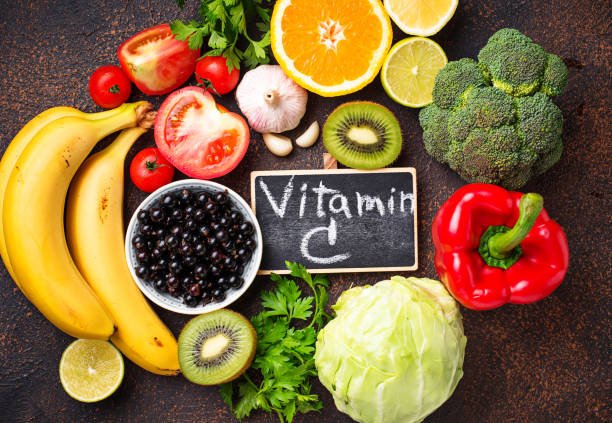
A powerful antioxidant that supports immune function, collagen production (for skin and wound healing), and enhances iron absorption. Injections are used to treat severe deficiency (scurvy) or when oral absorption is impaired.
This B vitamin is essential for metabolizing fats and carbohydrates. It is most commonly marketed for its role in maintaining healthy hair, skin, and nails, and may be used to address deficiencies that cause hair thinning or brittle nails.
Often referred to as the body’s “master antioxidant,” glutathione helps protect cells from damage caused by free radicals and is essential for detoxification processes in the liver. Injections are sometimes used to support immune health, reduce inflammation, and, controversially, for skin brightening.
This coenzyme is a vital component in nearly all metabolic processes and cellular energy production. NAD+ levels naturally decline with age. Injections are promoted for anti-aging benefits, improved energy, enhanced mental clarity, and muscle recovery.
*Some wellness treatments require a blood test from your doctor like B12 deficiency treatment. A blood test should be done to determine your needs prior to undertaking treatment at Éadan Aesthetics.
The most common areas for intramuscular (IM) injections are the deltoid muscle (upper arm), the vastus lateralis (outer thigh), and the ventrogluteal muscle (hip/gluteal area), they may also be given in the dorsogluteal site (Upper buttock).
The number of treatments required for IM vitamin injections varies significantly depending on the specific vitamin, the severity of the deficiency, the individual’s response, and whether the goal is deficiency treatment or general wellness maintenance. Frequency of individual IM vitamin injections will be discussed during the consultation process. Packages are available and can be spaced out according to your needs.
5 minutes
Verify that IM injections are appropriate for your health status and that no contraindications exist (e.g., allergies, bleeding disorders, infection at injection site)
Avoid applying lotions or oils before the injection; they can interfere with skin antisepsis
Drink water beforehand
A small meal or snack can help reduce dizziness or nausea in people sensitive to injections
Choose loose clothing that gives easy access to the injection site
Avoid Alcohol or Intense Exercise Beforehand- Alcohol can affect circulation. Heavy exercise immediately before an IM shot can increase soreness
A consultation to assess your needs, and what treatment you’re interested in. We then review your treatment protocol, and give the injection into the deltoid muscle in the arm, or into the upper buttock if you prefer.
Minimal
None
Expect Mild Soreness-Some tenderness is normal for 24–72 hours.
To help with this: Warm compresses after a few hours, Gentle stretching of the muscle, Light movement/exercise (walking, arm circles) to promote circulation
Stay Hydrated- Hydration helps with circulation and can reduce muscle cramping.
Avoid Intense Exercise- Refrain from heavy lifting or strenuous exercise involving the injection muscle for 24 hours.
Monitor for Side Effects-Call your clinician if you notice: Increasing redness, swelling, or warmth at the site, Pus or streaking, Fever, chills, or rash, Persistent pain beyond 72 hours, Signs of allergic reaction (hives, difficulty breathing)
Mild Bruising Is Common- Small bruises can occur where the needle entered. Do not massage aggressively.
Manage Discomfort Safely- Over-the-counter pain relievers (like paracetamol) may help—only use what is safe for you medically. Avoid NSAIDs if you have bleeding risks
Most intramuscular vitamin injections begin working within hours to a few days, as the vitamins enter the bloodstream directly and bypass the digestive system.
Energy-supporting vitamins (like B12 or NAD⁺) may be felt within 24–72 hours.
Skin, hair, and immune benefits (such as from Vitamin C, Biotin, or Glutathione) typically become noticeable over several days to a few weeks, depending on your baseline levels and consistency of treatment.
Results vary from person to person, but IM injections generally provide faster and more efficient effects than oral supplements due to their high bioavailability.
Risks and side effects of vitamin injections may include temporary redness, swelling, or tenderness at the injection site, mild bruising, and, in rare cases, dizziness or nausea; allergic reactions are uncommon but can involve itching, rash, or difficulty breathing and require immediate medical attention.
People With Bleeding or Clotting Disorders- Haemophilia, Von Willebrand disease, Severe thrombocytopenia (low platelets), Those at high risk for uncontrolled bleeding
People Taking Anticoagulant or Antiplatelet Medications- Warfarin, Direct oral anticoagulants (DOACs) such as apixaban or rivaroxaban, Heparin, High-dose aspirin or other antiplatelet drugs
Those With an Active Infection at the Injection Site- Skin infections (cellulitis), Abscesses, Open wounds
People With Known Allergies to the Vitamin or Components- Allergy to the vitamin itself (e.g., rare with B12, more common with additives), Sensitivity to preservatives, dyes, or the carrier solution
Individuals With Significant Muscle Wasting or Very Low Muscle Mass- Elderly with advanced frailty, Severe malnutrition, Conditions that lead to muscle atrophy
People With Certain Neuromuscular Conditions- Conditions where nerve or muscle damage increases risk of complications
Those With Specific Medical Conditions Depending on the Vitamin Some vitamins have unique contraindications, for example:
B12 injections: Caution in Leber’s hereditary optic neuropathy
Vitamin D injections: Avoid in hypercalcemia or certain granulomatous diseases
Relative Contraindications (require clinician judgment)- Uncontrolled diabetes with poor wound healing, Autoimmune conditions affecting skin/muscle, Pregnancy or breastfeeding without medical clearance, Recent surgery in or near the injection area, Severe obesity (may require longer needles or alternative route)
Caution is advised when combining IM vitamin injections with other medications, as certain vitamins may interact with prescriptions such as antibiotics, blood thinners, or medications for autoimmune or seizure disorders, so clients should always inform their provider of all current medications and supplements before treatment.