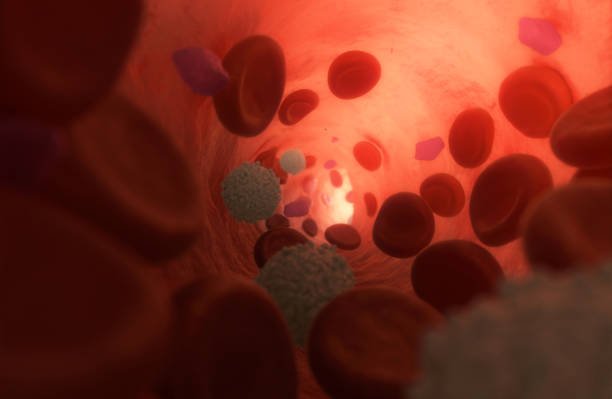
Platelet-rich plasma (PRP) contains a concentrated mixture of growth factors and other bioactive proteins that help rebuild the skin by triggering its natural repair and regeneration processes.

Platelet-Rich Plasma (PRP) therapy is an advanced, natural regenerative treatment that uses your body’s own platelets to stimulate healing, collagen production, and tissue rejuvenation. By concentrating growth factors from a small sample of your blood, PRP is re-injected with tiny needles into targeted areas to promote cellular repair and enhance the skin’s natural regenerative processes.
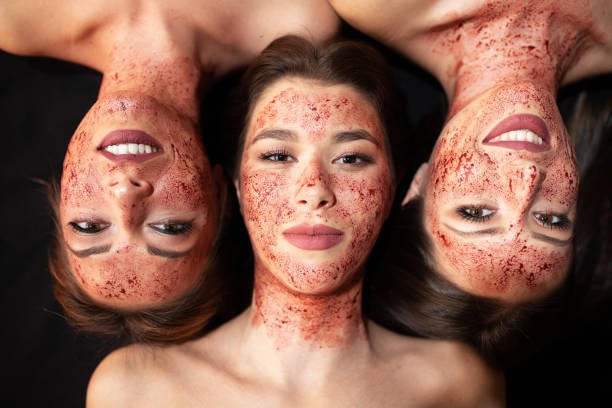
These treatments are often referred to as the, “Vampire Facial,” or the “Hollywood Facial.” This minimally invasive therapy is ideal for clients seeking a subtle yet effective approach to skin revitalization, hair restoration, and overall tissue rejuvenation. PRP works with your body’s own biology to restore firmness, improve texture, reduce fine lines, and support hair growth, delivering natural, long-lasting results.
This treatment offers a refined, science-driven approach to rejuvenation, providing subtle yet remarkable results.
Stimulates collagen and elastin production
Improves skin texture, tone, and firmness
Reduces fine lines, wrinkles, and mild scarring
Supports hair regrowth and scalp health
Enhances healing after other aesthetic treatments
Promotes natural, long-lasting rejuvenation
When re-injected, these factors work synergistically to:
Stimulate the production of new collagen and elastin, which improves skin firmness, texture, and elasticity.
Attract stem cells and other reparative cells to the area, enhancing tissue regeneration.
Modulate the inflammatory response, ensuring a balanced healing environment.
Improve skin hydration and reduce the appearance of fine lines, wrinkles, and scars.
Avoid supplements Omega 3, Fish oils, Vitamin E, Ginko biloba, Ginseng, St. John’s wort & Ginger 48-72 hours prior to injection
Avoid other facial procedures 1 week prior to treatment
Take anti viral for cold sores if necessary
Stop Tanning/ Cease sun exposure, tanning beds, and artificial tans 4 weeks prior to treatment
Avoid hair removal to PRP area 1 week prior to treatment
Eat a meal or light snack prior to treatment
Arrive with your skin clean, no make up or lotions etc
Don’t drink alcohol for 3 days prior to treatment preventing bleeding, bruising and dehydration
Avoid caffeine day of treatment
Stock Post-Care Supplies Make sure you have all post-care supplies prior to your treatment
Anticipate social downtime
Pause retinoids, acids, and exfoliants 24–48 hours before treatment.
Avoid sunburn, active irritation, or infections in the treatment area.
Arrive with clean, makeup-free skin.
Stay well-hydrated in the days leading up to your appointment.
Do not schedule if you have an active infection or feel unwell
Inform your provider of any recent procedures, illnesses, or medications.
PRP treatments can be used on
Face- cheeks, jawline, forehead-(overall rejuvenation, fine lines, texture refinement)
Under-eye area (dark circles, crepey skin, mild volume loss)
Décolletage (sun damage, texture, fine lines)
Neck and décolletage (crepey skin, laxity, fine lines)
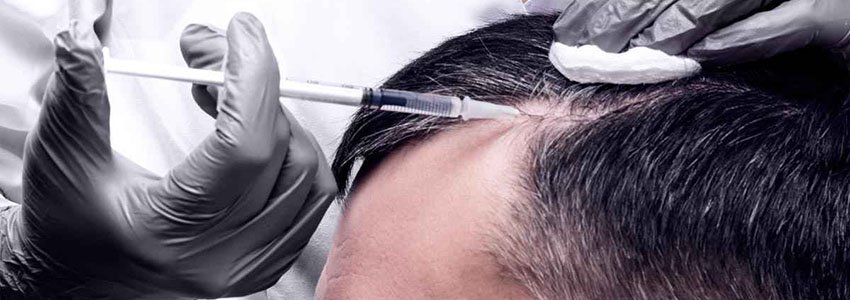
Scalp (hair thinning, hair strengthening, early-stage hair loss)
Hands (ageing skin, crepiness, loss of luminosity)
Acne Scars (improvement of texture and scar depth)
Stretch Marks (Best results if treated within the first year)
Post-procedure healing support (e.g., after microneedling or resurfacing treatments)
Initial Phase: Most patients need a series of 3 to 4 treatments to “kick-start” the healing or rejuvenation process. These sessions are usually spaced 4 to 6 weeks apart.
Maintenance Phase: To sustain the results over the long term, maintenance or “touch-up” sessions are often recommended every 4 to 12 months, depending on the individual’s condition and how long the effects last.
45–90 minutes depending on treatment area
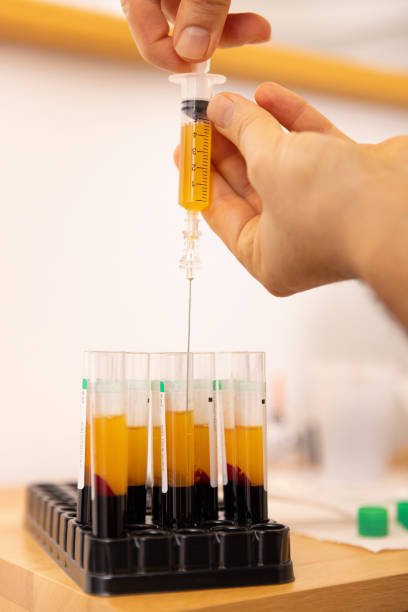
Before the treatment, we start your appointment with a thorough consultation to assess your areas of concern. Your blood is then drawn, and spun in a centrifuge to separate the platelets and growth factors. We then inject the liquid gold solution back into your areas of concern with the very tiniest needle. It can also be micro-needled into the skin.
Minimal
Numbing cream (optional)
Minimal
Recovery from PRP treatments is typically minimal. Most clients experience mild redness, swelling, or pinpoint bruising at the injection sites for 24–48 hours, and slight tenderness or tightness for a few days. Normal activities can usually be resumed immediately, though it’s recommended to avoid strenuous exercise, saunas, or excessive heat for the first 24–48 hours to support optimal results. Full collagen and tissue regeneration effects develop gradually over several weeks, with visible improvements often appearing within 2–6 weeks after treatment.
Wash your face with warm water and gentle cleanser after the first 24 hours. After 24 hours, you may go back to your regular skincare regimen except the use of actives, AHA’s, BHA’s, Glycolic acid and Retinol exfoliants. You may resume these after 3-5 days post treatment
Stay well hydrated 1.5-2L of water per day and eat a healthy well balanced diet
Sleep on a clean pillowcase
Do not apply makeup for 24 hours after; use only clean sanitised brushes, sponges, etc
Avoid facials wait at least 2 weeks before receiving other facial treatments
Avoid sun exposure for 2 weeks. If you must be in the sun, you must wear a hat and sunscreen and SPF 50
Do not exercise or partake in any strenuous activity, or heavy exercise for the next 24-48 hours.
Do not take hot baths, hot showers, steam baths, saunas, and swimming for a minimum of 3-5 days.
Do not peel or pick at your skin or hyper pigmentation can occur
Keep skin hydrated with a gentle protective moisturiser and use SPF
No other facial treatments for 14 days after treatment e.g. peels, laser, RF, fillers, Botox etc.
Avoid alcohol for 3 days
Improvements from PRP treatments typically begin to appear within 2–6 weeks as the platelets stimulate collagen production and tissue regeneration. Optimal results are usually visible after a series of 3 sessions, spaced 4–6 weeks apart, with continued improvements over several months as the skin or hair gradually rejuvenates.
PRP is considered safe because it uses your own blood (autologous donation) minimizing the risk of allergic reactions.
Active infection at or near the treatment site
Blood or bleeding disorders (e.g., thrombocytopenia, anaemia, clotting abnormalities)
Use of anticoagulant medications that cannot be paused
Autoimmune or immune-suppressed conditions that impair healing
Active cancer or undergoing chemotherapy/radiation
Uncontrolled diabetes
Pregnancy or breastfeeding
Severe cardiovascular disease
Platelet dysfunction syndromes
Fever, acute illness, or systemic infection
Severe skin disease in the treatment area (eczema, psoriasis flare, dermatitis)