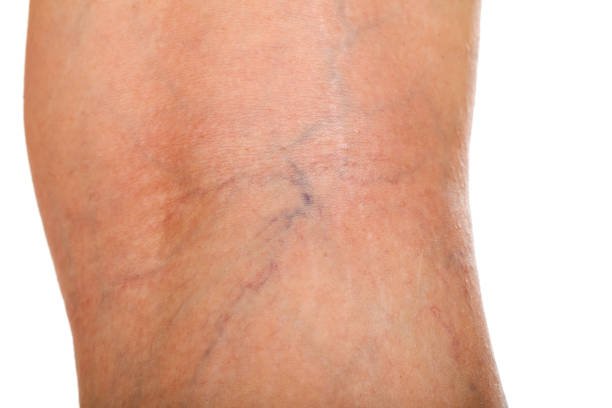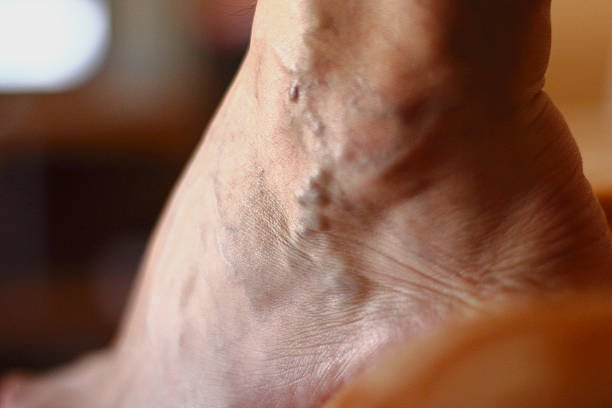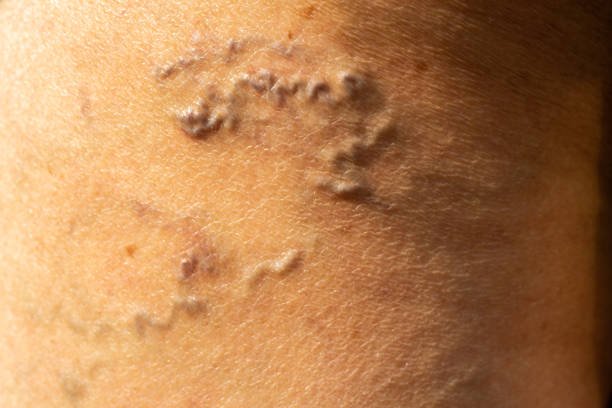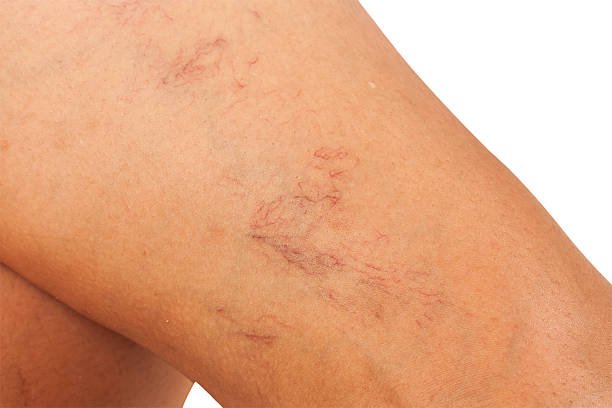
Sclerotherapy is a minimally invasive, clinically proven treatment designed to reduce the appearance of spider veins and small varicose veins. Using a fine needle, a medical-grade sclerosant solution is injected directly into the targeted veins, causing the vessel walls to collapse and gradually be reabsorbed by the body. Over time, treated veins fade, resulting in smoother, clearer skin and improved leg aesthetics. This precise, controlled procedure is performed in a professional clinical setting and offers a luxurious, effective solution for clients seeking to restore confidence in their legs without surgery or prolonged downtime.
Sclerotherapy not only enhances the visual appearance of the skin but can also relieve discomfort associated with venous insufficiency, such as aching, swelling, or heaviness in the legs. With careful technique and tailored treatment plans, it provides natural-looking results that improve gradually over weeks, delivering both cosmetic and functional benefits.
Reduces or eliminates visible spider veins and small varicose veins
Improves leg appearance and smoothness
Can relieve discomfort, swelling, and heaviness in affected legs
Non-surgical with minimal downtime
Long-lasting, natural-looking results when veins are treated properly
Not suitable for large varicose veins requiring surgical intervention
Spider veins (small, red, blue, or purple veins) on the legs
Reticular veins (slightly larger blue or green veins beneath the skin)
Small varicose veins causing cosmetic concerns or mild discomfort
Inner and outer thighs
Calves and lower legs
Ankles and around the knee
Most clients require 2–4 sessions for optimal cosmetic results. Sessions are generally spaced 4–6 weeks apart
Avoid blood-thinning medications and supplements (e.g., aspirin, ibuprofen, fish oil) for 48 hours prior, unless prescribed
Do not shave or use harsh creams on the legs on the day of treatment
Avoid sunburn or tanning in the area to be treated
Wear loose, comfortable clothing
Inform your provider of any medical conditions, medications, or history of clotting disorders
Each session typically lasts 30–60 minutes, depending on the number and size of veins treated
Before the treatment, we start your appointment with a consultation to assess your areas of concern.
The treatment area is cleansed, and a topical or local numbing agent may be applied if necessary.
Injection: Using a fine needle, a medical-grade sclerosant solution is carefully injected into the targeted veins. The solution irritates the vein walls, causing them to collapse and seal shut.
Compression: Immediately after the injections, compression stockings or bandages are applied to support circulation and enhance vein closure.
Mild stinging or cramping during the injection
Numbing cream (optional)
Wear compression stockings as recommended (typically 1–2 weeks)
Avoid prolonged standing or sitting for 24–48 hours
Gentle walking is encouraged to promote circulation
Avoid hot baths, saunas, and strenuous exercise for 48 hours
Avoid direct sun exposure to treated areas for 1–2 weeks
Do not massage or rub the treated veins unless instructed
Sclerotherapy involves minimal downtime, allowing most clients to resume normal daily activities immediately after treatment
Full cosmetic improvements generally develop over 3–6 weeks for smaller veins and 3–4 months for larger veins.
Temporary bruising, redness, or mild swelling
Small blood clots or raised areas along treated veins (harmless, resolve naturally)
Skin discoloration or hyperpigmentation (usually temporary)
Rare complications include allergic reaction to the solution or ulceration at injection site
Very rare: deep vein thrombosis or systemic reaction
Active deep vein thrombosis (DVT) or clotting disorders
Pregnancy or breastfeeding
Severe peripheral arterial disease
Known allergy to the sclerosant solution
Infections or open wounds in the treatment area